 |
| Media Photo |
Showing posts with label 2012. Show all posts
Showing posts with label 2012. Show all posts
Thursday, March 7, 2013
Vladimir Bukovsky. Happy Belated Birthday.


Wednesday, September 19, 2012
Russia and the W.T.O., etc. ...
On Popular Criticism of Russia And The Russians
Wednesday, September 19, 2012
 |
| Media Photo |
With the expulsion of Mr. Gennady Gudkov from the Russian legislature, indicating a new repression in Russia against dissent, among other things, including the call for a removal of a policy of linkage (by the U.S. government) with things like trade, emigration and human rights, the accession of Russia to new economic and political heights, including the status of Russia in the W.T.O. at this time begs the question about the acceptance of economies into that organisation actually based upon their commitment to free trade or indeed some acceptable hybrid thereof. That the Russian administration could slap U.S. businesses due to the provisions of the Jackson - Vanik amendment of 1974 and its current applications does scare people interested in issues like human rights, adherence to a western democratic rule of law, civic rights, anti - terrorism, and better terms of trade between countries like the U.S. and Russia, and for reasons that interest the business people in both territories. Accession to the W.T.O. has called for Russia to emphasize its finances and potential to carry more weight in the world of free trade, strictly and specifically a utilitarian economics approach, and this while Jackson - Vanik is an administrative bill that is used to mirror international Russian policies and the human side of international business with Eastern Europe. This makes for very little convergence of strict ideas in the meeting of business people and economists who would like to see it kicked out of the way, and humanists who see the value of protecting human and civil rights and practices as primary to a healthy society and healthy business and commerce.

That the current Russian administration might just be seen abroad, at least among many in the West, as one of provincial officialdom that little understands the importance of the more refined ideas around human rights and domestic dissent and their related effects upon commerce and world opinion, does not disparage the current Russian regime from asserting itself into various associations given its self - interested qualities and new - found economic weight in the world. Part of this positioning apparently has been to diffuse the stark memories everyone has of communism and its effect on the country and the consciousness of the people today that remains mostly centrist and one as well that leaves the debate about administration and economies, public and foreign relations, to the elites, much as during Tsarist and later soviet times. The current Russian leadership as obscure in its origins does call for intriguing and introspective interpretations as to the motives of the government there in promoting such people, especially with respect to the current president who apparently really started in the old K.G.B. in East Germany during a time in which many believed, and not just inside Russia itself, that the U.S.S.R. could win the Cold War - and thus the many communist sympathisers of the day and not just in Eastern Europe. One should note people have popped up in places everywhere who have owned property in Russia for many years, and who knew and know the Putins and Medvedevs, again starting from the old days. One liberal rationale from utilitarians everywhere is East Germany and Poland, at the time of Mr. Putin's work there, probably could have used help from anyone, though many do believe despite this that communism was no help in any way whatsoever with its promise to organise and move society forward, even from the beginning. Mr. Putin appears to represent the crowd as inspired by soviet times who voluntarily ran places like DRG and Poland, North Korea, and even Cambodia and Viet Nam, in an oppressive and strict fashion to reinforce the doctrines of communism against the free world. The legacy of this, given the junking of communism and its apparatus, has been for silent machinations with respect to free trade (cf. conduct of Warsaw Treaty countries and their overall influences and world connections,) and demands upon the international community for legitimacy along official lines. This is the international house the Russian leaders are building at this point, while using their connections and political weight among non - aligned nations and NGO's that emphasise and promote issues at this time more or less as they always have done, under the indirect sponsorship of Eastern European regimes, and with socialistic / communistic tendencies.
On one level of analysis, it is not difficult to see how and why the Russian administration is throwing its weight around on the international stage lately with respect to trade and other issues, including repression and human rights: The country, no longer communist, has always had a strong central government as located in Saint - Petersburg and then Moscow, and again, society as greatly influenced by the church has allowed the political elites to rule. This makes for a different kind of management of social and political, business and legal issues, etc., and as such the byzantine heritage encompassed in Moscow is easily and evidently upheld. This should be looked into by more journalists and interested parties who are curious themselves enough to try to determine the continued role of the emphasis of Moscow in the identity of Russia, versus the major cities and areas of the provinces where vestiges of the old regime apparently remain, and as well where the church is more powerful. The current Russian regime has made attempts, despite slapping people on issues, in its image in some respects to detract from the authoritarianism of the communist regime as centered in Moscow. This is no reason to be persuaded the polity in Russia should be authenticated more in the West, especially due to continued abuses, though it does appear Russia's leadership is taking its own, practical approach to additionally modernising and bringing up the country from within and creating better ties with the outside. It will be curious to see if this can continue without additional power - shuffling and grabbing there that is age - old and that could more sully the impressions people have in learning about it from the exterior, or visiting there at this time.
Thursday, September 6, 2012
With the Obama Speech - 6 September 2012
The 2012 Political Contest -- Opinion.
It is perhaps entirely true the speakers from the U.S.'s major liberal party have a smoother and more easy going style in their public appearances and talks, save for one or two extremely strident leftists who appeared at the Democratic party convention podium within the last few days. The U.S. Democratic party at this point, as many liberal parties do, has portrayed itself as the pragmatic and businesslike political voice at this point. This is no different from the message as given by any liberal party in any fair election in the free world; there's nothing wrong with it, it's just the same old line, I might respectfully propose here, that liberal parties in the Western world have been talking since time immemorial. With respect to this, and with respect to the current economic / commercial / business climate in the U.S. and its international position with respect to same, there are many within our shores who do believe the federal government should remain as it stands, with its current role in many of the lives of the U.S. populace as guide and guarantor. There is nothing wrong with this thinking, especially given the overflow of issues the Democrats are covering in this election - maybe to guide the voting attitude and attention of the populace, but more probably just to promote the agenda of their party that makes the federal administration in many cases everyone's biggest customer - from taxes, to services, and even to the goods we buy at the local store or online. There is an argument somewhere in the literature that if your populace is bored and apathetic, and if there are seemingly unbearable social and other problems afoot, that liberal governments are indeed a way of muddling through these issues. In other words, if you are battered and have little faith in yourself as an American at this point, and you are relinquishing your strengths for the most part to make a life for yourself and your family, sometimes in some countries right now an evident and obvious political trend, then vote Democratic in the November general election.
There is a contrarian and again, controversial attitude for the voter as presented in a challenging way by the Republicans at this point, and this has to do with an overall avoidance involved with the paternalism (in fact, very tightly knit and even abusive paternalism on the part of a federal or even state administration) as briefly illustrated in the preceding paragraph: The major campaign difference at this point depends upon the Republican contrasting the Democrats as those soliciting the business of big government, with more revenues to the public sector through taxes and debt proceeds, primarily; to the basic Republican ideas of getting going on solving the problems of the day through debate and consensus, and without the totem of public enterprise that is worshipped by many liberals. The conservative party in America does as an entirety probably believe such attribution to the federal administration, that of social and societal benefits and guarantees in increasingly risky public finance schemes (as things have to be paid for,) is unnecessary insofar as private and regional interests can more narrowly define and solve the issues and problems of the day instead of the kind of centrist fortification the Democrats believe in themselves. The speakers of the day at the latest party convention in North Carolina extoll the virtues of big government and encourage everyone listening and watching to value big government projects and financing, and why not?
The fact remains that history is full of examples in which funding for public projects was made by nation states and their process of approval through bicameral legislature and checks and balances, and this even though the projects were extremely costly and later bankrupted the governments completely. The 'pragmatic' liberals at this point in America might nod to themselves that we are already in an unrecoverable situation with respect to finances and compare and contrast other regions, for example, that are supposed to be worse, and that their "liberal" governments have seen them through. This is really untrue, as America still has a very high standard of living far above most of its international neighbors, and for the time being, and the U.S. can withstand currently its big government expenses: Right now, but maybe not much longer given the somewhat gloomy international recipe many economies have going forward into the future at this point. Even the greatly dependable economic producers of late, China and the 'Four Tigers' (Japan, South Korea, Singapore, Taiwan, …) and many other world regional economies predictably face the doldrums in the new media and other current business and commercial forecasts. This might in part be due to internal uncertainties in different regions, uncertainties about state and regional leadership and the like, but it has put a damper on the U.S. future in its role as international economic / political, etc., leader and powerhouse. This limitation is worrisome and especially given the tone of the speakers at the Democratic convention, promises an eventual selling of the proverbial seed corn that has our federal government watching over us and providing a safety net and other offices for people to turn to.
Even for the most dour and pessimistic of voters, probably among whom I do count myself, who will cast their votes in November, it becomes clear after a quick study of the promises made within the last few days, that our federal administration can only do so much to guarantee the quality of our lives, and this no matter how many tax and other dollars are spent on the subject. This is an ordinary case of diminishing returns to the kind of federal policies we have had in the last few years or so, not including the wars, and while only the general election will prove whether or not people need it stopped, the treatment of the federal and state treasuries as a policy in the collection and expenditures process in which they have been treated of late is extremely dangerous to the political process in the capitol, and even more dangerous in the burdens it presents to the ordinary U.S. citizen, no matter the imputed or promised benefits. The great idealist and thinker Max Weber, in his writings, did cite a principle in which political representatives and administrators, especially the leading ones, had a main obligation to digest and solve issues and problems in ways understandable to the common people and the voting public. This is perhaps one of the strong points of our democracy as our leadership, with its checks and balances, has almost always obliged itself to do. The way public finances have been ignored by the current administration and its related policies in its doings have never been altogether clear and in this way present a prospective danger to the relationship between the voter / taxpayer and the federal administration in the U.S. No one seems to have pointed this glaring issue in and of itself to the public and this is because the identities of the problem are everyone's purview.
The tree of public finances appears to have been shaken too much at this point by the current leadership and this has proven dangerous - a. To the young and able people in this country who want to pursue high - quality education; b. The ability of wage earners to provide for their families financially, primarily due to federal tax and other burdens; c. The lack of perceived benefits in pursuing administrative careers does alienate and turn away capable people; d. At a time of heavy spending among what appear to be cliquish and closely - knit federal departments and programs, the voter / citizen / wage earner is being asked and compelled to sacrifice things financially and even morally at the hands of people who are feeble as administrators, who have their pet projects, and who solely engage in self - interested rhetoric; the list goes on. In some ways, the social commentators and thinkers of long ago, and the modern economists with their various models that are admired alike, in their various analyses and conclusions about our status as a nation in choosing a new leader, albeit still formidable and influential in the world overall, would propose serious remedial and needed renewed and fresh efforts to approach the loose ends created by rhetoric and profuse and what some term irresponsible federal spending and its pauperizing effects. We can continue the current policies of revenue collection and allocated program spending as they are apparent to most voters, and foreseeably face the economics and political situation of governments like Spain or Georgia, for example. Thus, the call for change and the like among Republican and Democratic candidates is highly appropriate right now: There will be much thoughtful and rhetorical currency spent on this and related issues as well during the debates and even after election day as these same, basic issues carry much hidden weight and are gravely in need of attention, and have been so since some time in the past.
Created with Microsoft OneNote 2010
One place for all your notes and information
One place for all your notes and information
Monday, August 27, 2012
Democracy and the "rule of law."
While it is indeed
possible that the state - building as the U.S. has been doing in various parts
of the world to date is based on democracy and the rule of law, it might be
reasonable to mention at this point the "rule of law" language could
be overdone just a bit by policy makers.
Here's why: In the utilitarian
world, that is, the world espoused with utopian goals along the lines of what
we know essentially to be modern or neo - liberalism even along hegelian lines,
the rule of law is reduced to and atomized into the norms we all learn as
individuals in school and in our experience in society on the one hand. On the other hand, the rule of law as a
principle that is elevated to overriding deity status for those who believe
there is the law and only the law as enforcing the edicts of the international
state and its rules and norms as pushed out to media, other states and their
statesmen, and other, interested parties.
This again, is a strictly liberal view and one of systemic totemism, and the author here contrasts
the global utilitarianism behind this principle with the overall conservative
belief in the functions of the state in our own village as rule - maker and
rule - enforcer among other things - bicameral legislature, a judiciary based
upon principles such as the Bill of Rights and human rights, and a chief
executive that is elected (for starters.)
I might be citing
some high - school history book without really knowing it here, but the
normativeness and the relativeness that are sometimes bred into the state as
adopting above all the principle of the rule of law do engender meta -
juridical functions in society and in the state in which judicial officials can
abuse the overall legal considerations - those of business, culture, the arts,
economics and finance, science and so on, even sports and entertainment -
between society and the state as built - up that discourage proper legal
procedure and action in what we see as appropriate within our scope of people
living in a free society. The unbounded
legalism of the former soviet union is one such example of improper
administration as brought about by the institution of utilitarian socialist
superstructures, especially the judicial.
There are other, less obvious examples and though the principle of
upholding the morals and norms of society has great merit, the concentration of
any state administration on legal(istic) principles and practices throws it out
of balance; sort of like when Beria was at the head of the party in one way or
another in soviet times.
Many of the
difficulties in the open conflict in Afghanistan at this time call for
diffusing the apparent and glaring administrative / political issues that prevent the
government there from gaining more legitimacy among its people. There are issues as well like making sure the
police are properly trained to handle terrorist situations, and diffusing again
the influence of the Taliban in many places.
There is also the international relationship with Pakistan and
Afghanistan that has U.S. politicians worried about the stability of both
countries. Efforts so far have been to
try to win hearts and minds with U.S. personnel taking the lead, though terrorism
continues to be a fearful danger to everyone there and in neighboring states
right now. The Taliban as well continues
to engage in violence while summarily avoiding truces and alliances with the
Afghani government or provincial governments under Kabul, much less do the
Taliban take part in peaceful fine - tuning as it should be at this point. All of this might be avoided in some way or
another through the recognition of some traits in Afghan society by its leaders
and some cession on the topic of territoriality and provincial groups (not the
Taliban here) to Kabul might be in order.
The nightly news
features Western - style photo opportunities for Afghani leaders, something
that might be irksome to their sometimes ultra - liberal citizenry in some
places, and the influences of the Western powers in the present administration
there are palpable and might be annoying as popularized as well - this attempt
to bring some decent organisation to the chaos in the country that has reigned
for so long, even from before the soviet invasion in the 1970's, is highly
commendable, though to some Afghanis the values and culture(s) of the country's
society might obviously conflict with the type of legalism introduced into
their system by the presumably foreign allies under our latest polity. Another difficulty is the U.S. policy -
makers up to this point have only too well understood the issues of the Middle
East and Central Asia as they have been there for a long time, and through the
lens of the policy - making of our own governments, the Afghanis are only too
quick to point out the fissures and faults.
This has resulted apparently in an over - reliance on security forces
and legal proceedings that are not equipped nor prepared on a domestic front to
support the level of criminal activities that take place there, including the
terrorism. Another sub - plot in the
story of the "Frog and the Scorpion," and / or the social and
societal pains of state - building in foreign places where some of the citizens
might not actually be interested in the "Federalist Papers" or
Western norms and rules, and not out of simple ethno - centrism or cultural
refutation.
Saturday, August 18, 2012
Sunday, August 12, 2012

"The United States and China" at the Olympics.
 |
| Media Photo |
 |
| Media Photo |
That the P.R.C. has overridingly made the choice to emphasize anew itself in the international political arena via the Olympic medal vanguard is odd and embarrassing for a nation - state that can not tie its shoelaces with simple things like an actual and real social safety net, human rights, nepotism, and other obvious defects including the single - party political system it operates under that stems from a severe reaction to the aloofness and carelessness of royal and imperial rule that came to an end in the early 20th century. The current Chinese regime ends up looking politically more like that imperial regime of old in the way it establishes society's priorities, structures its accession and polity in the areas of administration and governance in the overall and again, overrriding will to power that any sociologist or anthropologist will caution against in its many forms as established and institutionalized by the CPC through its by - line of "spirit, land, energy." The happenstance of the stilted and conjured, and otherwise celebrated, Olympic achievements and accolades, and this without examining every statistic, of the P.R.C. at this point capture a place in history certainly, though the importance of this is to make one wary of the application of the ways one makes championship athletics happen: The implications of the showing of Olympic commercial spots on NBC at these 2012 events as featuring a past soviet - bloc gymnast, and the actual story of Ms. Nadia Comenici are compelling and an object lesson in what can drive national policy on the subject of athletics and international achievements and awards to the extent they are completely devalued by the constant banging away at young people about how there is a requirement to have medal status or other high international recognition. Such a politicization of athletic achievement detracts from the simple and non - professional, and honestly - competition - driven status in international athletic venues at this point.

 When we were kids, and as we read the local newspaper and talked with our buddies about what goes on in Russia, and what went on in places like East Germany, Romania, Czechoslovakia, Hungary, and so on, and even given the paucity of the news about the soviet bloc at the time, young people in the States knew how the ambitions of the communists and non - aligned countries had politicized much of the international scale and scope we learned about without respect to occasional, actual news that came through about it. The realized vaulting ambitions of the P.R.C. policy - makers about their place in international athletics is a softer version, and therefore more palatable for some right now, of the social engineering of the soviets that has gone to the dust bin. It is incredulous how this is allowed to supplant the honest efforts of athletes in other countries such as U.K., Germany, England, France, and even the Russian Federation right now, and the assertions of P.R.C. on the athletic stage in many ways at this point are dependent upon un - civil ideas and practices that are undue and inappropriate given the peaceful, forthright and unified attitude of many of the athletic teams at the 2012 games this year. Media images. Please pardon typographical errors here.
 THS
Tuesday, July 17, 2012
Larry King NOW
 |
| Media Photo |
Also, see HULU and Jimmy Kimmel with Larry King.
Wednesday, July 4, 2012
2012 Movies - Oliver Stone And Tax Policy (... and maybe even the oil business.)
 |
| Media Photo |
That I know people like me have never really seen an Oliver Stone movie in the right light (if we have seen one,) mostly because we were too young to comprehend the kind of metaphysics and mysticism that goes into even the most mundane of Stone’s ideas as realized through film, but why make another film about characters as influenced by the counterculture with again a message about right – wing conspiracies, the government, the university system, pot and relationships, the black market for drugs, all of which are ideas used by Mr. Stone to stir our attention to his cosmopolite and quite detailed and complicated view of things? Mr. Stone, and to his credit, was born into a background in which he resisted the temptations of the vices and other wrongs he illustrates in his productions, even the moral and other character defects of the related roles in the scripts he imbeds on film – you do need to be a “clean” person these days to succeed in the entertainment or media industries. As well that Mr. Stone fought in a bitter military conflict, and probably blindly as many men did at the time, that was at least in part dedicated to eradicate the illegal streets drugs market as we knew it during the 1960’s and thereafter; a conflict the U.S. officially abandoned, also adds to his illustration of the colorful and sordid as an authority on these who maintains in fact a critical and necessary distance from societal problems and vulnerabilities, and as such one might observe a contrasting reality between the character of an artist and the media he produces. This trait or set of traits might also be entirely necessary in the oversimplified yet Hegelian world in which he finds himself, and similarly that of his characters, bright and educated and at the same time illicit as many of them are: But why make a film about pot?
To know the answer to this question for Mr. Stone, as probably no one does, has to do again with the iconic mysticism of many of his productions and the very salient and high – profile themes he decides to address in his movies and interviews, etc., probably even in his relationships with his acting and other film crews. To illustrate this, try to picture Mr. Stone as a director of a “Barney The Purple Dinosaur” media production, or a “Clifford” the dog feature. This is impossible and improbable and might even be the subject of humor at his table when he and his major motion picture people talk about it. The themes he examines, even in the sort of action / drama / mystery films he directs, are even more glaring than the stifling red lights at busy traffic stops during the height of rush hour, or even more attention – getting than having someone shouting in one’s ear(s.) The issues of Mr. Stone’s productions are also problematical and propose in many instances an incomplete story to his viewers; all of this done with a goal of stirring the moviegoers’ minds out of any torpor or boredom (doldrums) that adds up to modern malaise. The scope of many of his themes is so important with respect to American society and its issues at this point that one can hardly overlook the object lessons and teaching element in his films, at least insofar as how the movies are viewed today. It is also something to be wary of and for example to look at a second time in the director’s overall efforts at political and cultural persuasion and in the high impact of much of what he presents that trumps even existential themes themselves sometimes. That he has chosen to examine dramatically the culture of a simple street drug, as pervasive and insidious as it is, mirrors probably much again the ethical and practical morality he learned as a young person, at Eastern colleges, in national service and then in film school. His relationship to the work of his mentor, Martin Scorsese, with respect to his continued filmography does indeed show a mirroring of attitudinal, moral, intellectual and other influences upon the man that contrast with who he actually is in his films. This might be why he has succeeded for so many years in Hollywood as a town full of pitfalls, and as a place probably worse than any capitol as far as “sink or swim” is concerned.
It does not really matter in and of itself that Mr. Stone has made a movie again about educated people who out of Adlerian and other difficulties do odd things, even blatantly illegal things. His films going back some ways are probably full of such characters and their illustrated roles. What does matter is the overall weight of Mr. Stone’s ideas that call for an examination of conscience through his telling of stories in film. Though I have never really seen his work, maybe only part of one of his war movies, the overall questions provoked by his work and the inclusiveness with which he creates his things for people to experience are remarkably noteworthy. Maybe all young people need to see at least part of this new movie, “Savages” (book by Don Winslow,) as directed by Mr. Stone, that apparently examines the “party” atmosphere of pot, not from a cult point of view but from its utilitarian and economic consequences; and this might change a popular attitude (or two) about it. This writing is neither a movie review as admittedly I have not seen “Savages,” and nor is it a review of Mr. Stone’s directing abilities or acumen for better or otherwise. These few paragraphs do however propose the meritorious courage of a Hollywood person examining social and societal forces that are age – old. Remember finally that the streets drugs trade is a trade interdicted by state authorities (on every level,) and as the subject of this film should also be looked at in terms of its message and the government expenditures (funded by taxes) in eradicating pot and its related markets. Mr. Stone might have a phrase or two in his film production here referring to this without allusion for one to the idea that the state has an attitude itself of persecution with respect to streets drugs and their markets.
Sunday, June 3, 2012
After Hearing about The Romney Economic Policy.
 |
| Media Photo |
Mr. Glen Hubbard, obviously a Ph.D., was on the television today at CNN in the role of Mr. Romney’s chief economic advisor or spokesman at this point. Several salient issues arose during his talk with the blogger / commentator Mr. Zakaria including the deficit and insurance woes that have been badgering candidates for a long time, including Mr. Obama, the current U.S. president. Mr. Hubbard, in speaking about the budget issues delivered an excellent essay on the difficulties of carrying on as the society with the most civic, political and other freedoms anywhere, and his presentation appeared to be a kind of “you don’t get something for nothing” type trial balloon. Sometimes indeed in the process of electing officials, the voters can be handed, and for various reasons, nothing for something, in which case there is much negative clamouring and scandal. It does appear from his spokesman the Romney campaign wants to work out its promises to the American people without being unrealistic. These were some of the issues Mr. Hubbard fielded this morning, and without claiming to analyze whatsoever the process of lightening the budget load, his explanation turned on revenue collection or spending reductions. Depending upon what the people want, the candidate appears to be listening to how people want to approach austerity measures: Through “cutbacks,” “budget controls,” “constraints,” and the like, or “new revenue,” and / or revenue collection. The actual plan might be a combination of both, which would do something to eliminate widespread use of loopholes and weak points in both budgeting and tax policy. The substance of the interview consisted of Mr. Hubbard presenting this, but not necessarily presenting anything beyond overall policy definitions, and the viewer was left with likes or dislikes as the case might be, along with policy and party choice as well.
There is another issue, and that is unless any budgetary policy or tax policy is successful, mostly as a surprise or some overriding spontaneity, what will the U.S. populace do given the risk to public finances upon even at first the examination of policies as successes or failures? There’s no answer to this, and while in the olden days, one Republican president instituted wage and price controls to accomplish monetary and fiscal goals alike, and this under a policy that was publicly unfavourable, it does appear such unusual approaches to the budget and trade, and the federal revenue issue, need be considered. The wage and price controls were a palliative, but woke up a lot of people to attention about where the public finances of the U.S. were headed at the time. By this writing, the author can not mention the advantage of budgetary controls over tax reform, nor vice versa, though these are not exclusive and maybe some policy – maker could determine some arithmetic identity without the present and ubiquitous gallows humour on these topics, and that would give any federal administration some hope of having an actual fiscal / monetary goal to accomplish apart from the abysmal picture some economists paint of public affairs and money these days. That any such goal would be attainable in terms of federal finances will remain to be seen, and there are many pessimists about the current, related metrics as recorded, not to mention the prospective ones. Austerity measures were mentioned in the talk on television today, and all forbid the U.S. having a reaction to austerity policies, either formally at election time or in the street, if they are indeed needed at this time.
Another topic at the talk with Fareed Zakaria was national health insurance and the compulsory provisions of this policy concerning coverage, and for which the president is being sued by the Catholic Church given certain provisions. People like me know that the actual insurance problem as it is approached by policy – makers is quite intractable as there is only so much insurance that can go around. People believe that their insurance is a kind of financial instrument at times and treat health insurance exploitatively as such on many occasions, and this is a sin. Health insurance has to be paid for, unfortunately for everyone, and this financial issue and the role of health care in the U.S. economy really make such issues the subject of extreme opinions and educated and technical debates and discussions alike. The idea of the Massachusetts health care system was discussed as portable to the entire country, and Mr. Hubbard suggested it is not – indeed the demographics (an important health care parameter, even determinative of actuarial and other aspects of insurance plans) of a state like Massachusetts are obviously dissimilar to those of West Virginia or Florida; and one can not bolt a standard from a Massachusetts public health plan onto California or Idaho, either. This is what makes solutions to such issues incredibly difficult and the subject of adversities, including economic and social ones, business and cultural, etc. One idea that has not been greatly discussed, at least not publicly, is a national public health system as an auxiliary to private care with pay – as – you – go and / or insurance coverage itself with a deductible or co – payment. Such a system could be self – financing and profitable for the government and would stratify, equalize and reduce the financial burden of any federal system. MediCare for older U.S. citizens is an example of such a system as weighted towards federal oversight, though any new system might be a health care / maintenance auxiliary to private insurance concerns. By this writing, the author is surprised this was not discussed with regard to either the Massachusetts plan or the required health insurance as currently promoted by the president. Without sounding litigious, Catholics because they have values accruing to very technical issues about women’s rights, women’s right to choose and decide, and abortion itself, and other issues that would be addressed by an umbrella federal health plan, do have, and I mention informally here, an argument with the law. Catholic bishops and perhaps even the pope would do well to provide some decisive guidance here, and as of yet I have heard none. Also, and as an endnote, neither Zakaria nor Hubbard brought up any economics argument or policy about what to do with trade. This probably means both parties are in agreement about some policy as already implemented and will not contest each other on these grounds so far (maybe both main presidential candidates admire and accept the current status quo on trade and will just discuss this secondarily in any debate.) The trade issue as examined by anyone at this point has to do with long – term labour productivity and benefits and the level they are at today. Developed and developing economies that apparently have more productive labour forces also have less history in them on contests for higher wages and management changes in the modern sense. This is why the so – called productivity statistics could be questioned – other countries are less in – touch with modernity than the U.S. is at this point (hush,) and any focusing on the labour market only in economic policies in Western economies causes things like prices, interest rates, bank and other rates, including growth rates and productivity measures themselves to first gather and then integrate improper bias that skews and could ruin business – this would be uncalled – for under the circumstances.
Sunday, May 20, 2012
A gauche, gaucher, ...
That the French have recently provoked a new socialist rally in Europe by their most recent election is not surprising, especially given the propensity for the French people against austerity and other restrictive measures in their history. Originally, the French Revolution of 1789 itself might be construed at least in part a reaction to a kind of belt - tightening of its kind in the day. The new socialist banner in the form of the French tricolor flying over the Elysee these days has one hearkening to the days, obviously, of the Mitterand regime of 1980's - 1990's character; a government at the time in tepid acceptance of the Stalinist past of Eastern Europe, and hedging its bets against anyone who might emerge victorious in the Cold War at the time (concluded probably officially in 1991, though marxism is apparently still officially, again, alive and well in a number of fine and notable nation - states at this point in 2012.) The occasional resurgence of socialist politics in France, a la Martine Aubry, can not be interpreted literally as an overall acceptance of marxism in its various forms, but more a reaction to the politics of Charles de Gaulle that sought, despite the practical difficulty of this, to assert the identity and influence of the French everywhere and in as many societal domains as possible in order to separate the identification of France from that of a wine and cheese society. De Gaulle did chase the grail of national identity in his own country, first through his military career and a number of wars, of which the terrible fights in places like Indochina and Algeria, away from colonial convenience and exploitation into the more modern world of industrial - strength international politics and administration.
Many of his countrymen in de Gaulle's time felt a great sacrifice for colonial ties and their efforts at socio - economic development of the colonies. This de Gaulle also attempted to deal with by dissolving administrative ties and domains in many places that resulted in the French colonies and national territory shrinking significantly from status as the second world colonial power behind U.K. to perhaps the tenth. People resented this, and as such this policy created many acute dramas in the politics of de Gaulle and his followers. That the general passed from complications of angina late in life and that his departure from life was entirely natural was the envy of many French who worked in the colonies and believed in a far - reaching and influential France. De Gaulle knew and knows in his entombment the influence of France is no less, and perhaps greater than in the days of the larger colonial territories and the debate on maintaining and keeping them or allowing them independence according to his belief was resolved in that even disaffected and far - flung places would keep their French identity, and they have done so to a great extent.
The socialists who have come to power in that country in the latest presidential elections are not gaullists, even in the least, though they do believe in enhancing French influences in the world via different channels and different media, especially in the Southern Hemisphere, the Pacific Islands, and in the world at large that needs to develop a new appetite for French culture and institutions. The socialists in Europe do believe in the superiority of urban life and while centric ideas are important and have a place, it is also important to know this is on the level of popular taste, not popular practice or any realm of possibility for most people. French cities are like any big cities that have a heterogenious population and many indigenous people seek out more frugal ways to live when the country is under socialist influence, somewhat due to leftist backlashes but due also to real considerations about where the Paris - Bourse and the real estate markets are going in that country right now. Under Mitterand, these two important sectors of the French economy were decimated, and the national treasury took on ways to build up the scale of government and implement works projects, even needlessly replacing pavestones, signposts and so forth. Francois Hollande and his government are a derivative of this as the country has all the edifices it needs and a currently a tangled bureaucracy at the occasion of his inauguration a few days ago, for the most part. What can the French do to avoid an exodus of capital and intangibles in view of Hollande's inheritance of the Mitterand regime and methods, and practices as off - the - shelf?
There is probably not very much that can be done first to assuage the French voting public who were irate enough with conservative measures to give the Hollandes a small majority mandate, and then to address the myriad of problems around public and international finances affecting the country at this point. All this, though the socialists did comprise new methods to keep people at work and active, and additional benefits of equalizing opportunities and socio - economic statures of everyone in the nation and everywhere the French internationally are evindent as well. The difficulty of this, as a legacy of first, again, the reluctance to continue with conservative policies, and then building the French image and commercial success anew will probably be much more expensive than anyone can imagine at this point into the future. The profile of the country at this point might be more similar in character to an Argentina, or Portugal, for instance, with incipient and multiple systemic flaws in the weave of its political and administrative landscape. France might even have difficulty selling tourism and its own cooking as places like New York, Brazilia, and Toronto have appeal for people with more gainful and promising adventures for travelers right now.
Imitating the soviets and the form of socialism the country suffered through during the 1980's while blaming circumstances on the parties to the Cold War, the new French president Hollande probably has to speak with a thicker, more urbane, national accent; will have to materialize to an extent the requirement to stop the presses on his associates' economic and administrative aspirations, and the French might as well have to re - calibrate their societal efforts in different territories to allow the domestic government to continue with its convenience policies. This might in turn provoke some regret on the part of French voters against Sarkozy who pledged austerity and other economic measures not based upon a national decline, but issues in need of immediate remedy and immediate priority on the front - end. Socialism according to the Hollande government might just include a minimalist approach to overall policy as a saving measure despite the large political and societal landscape his administration has to cover, and despite the complexities of the country's international place. Then, some sort of "radiant future," or success campaign(s) including public finance might help the economy in its turbidity. This will take time as the world economy has to recover and the new leadership obviously will have its adventures and meddling to continue the intrigue.
Many of his countrymen in de Gaulle's time felt a great sacrifice for colonial ties and their efforts at socio - economic development of the colonies. This de Gaulle also attempted to deal with by dissolving administrative ties and domains in many places that resulted in the French colonies and national territory shrinking significantly from status as the second world colonial power behind U.K. to perhaps the tenth. People resented this, and as such this policy created many acute dramas in the politics of de Gaulle and his followers. That the general passed from complications of angina late in life and that his departure from life was entirely natural was the envy of many French who worked in the colonies and believed in a far - reaching and influential France. De Gaulle knew and knows in his entombment the influence of France is no less, and perhaps greater than in the days of the larger colonial territories and the debate on maintaining and keeping them or allowing them independence according to his belief was resolved in that even disaffected and far - flung places would keep their French identity, and they have done so to a great extent.
The socialists who have come to power in that country in the latest presidential elections are not gaullists, even in the least, though they do believe in enhancing French influences in the world via different channels and different media, especially in the Southern Hemisphere, the Pacific Islands, and in the world at large that needs to develop a new appetite for French culture and institutions. The socialists in Europe do believe in the superiority of urban life and while centric ideas are important and have a place, it is also important to know this is on the level of popular taste, not popular practice or any realm of possibility for most people. French cities are like any big cities that have a heterogenious population and many indigenous people seek out more frugal ways to live when the country is under socialist influence, somewhat due to leftist backlashes but due also to real considerations about where the Paris - Bourse and the real estate markets are going in that country right now. Under Mitterand, these two important sectors of the French economy were decimated, and the national treasury took on ways to build up the scale of government and implement works projects, even needlessly replacing pavestones, signposts and so forth. Francois Hollande and his government are a derivative of this as the country has all the edifices it needs and a currently a tangled bureaucracy at the occasion of his inauguration a few days ago, for the most part. What can the French do to avoid an exodus of capital and intangibles in view of Hollande's inheritance of the Mitterand regime and methods, and practices as off - the - shelf?
There is probably not very much that can be done first to assuage the French voting public who were irate enough with conservative measures to give the Hollandes a small majority mandate, and then to address the myriad of problems around public and international finances affecting the country at this point. All this, though the socialists did comprise new methods to keep people at work and active, and additional benefits of equalizing opportunities and socio - economic statures of everyone in the nation and everywhere the French internationally are evindent as well. The difficulty of this, as a legacy of first, again, the reluctance to continue with conservative policies, and then building the French image and commercial success anew will probably be much more expensive than anyone can imagine at this point into the future. The profile of the country at this point might be more similar in character to an Argentina, or Portugal, for instance, with incipient and multiple systemic flaws in the weave of its political and administrative landscape. France might even have difficulty selling tourism and its own cooking as places like New York, Brazilia, and Toronto have appeal for people with more gainful and promising adventures for travelers right now.
Imitating the soviets and the form of socialism the country suffered through during the 1980's while blaming circumstances on the parties to the Cold War, the new French president Hollande probably has to speak with a thicker, more urbane, national accent; will have to materialize to an extent the requirement to stop the presses on his associates' economic and administrative aspirations, and the French might as well have to re - calibrate their societal efforts in different territories to allow the domestic government to continue with its convenience policies. This might in turn provoke some regret on the part of French voters against Sarkozy who pledged austerity and other economic measures not based upon a national decline, but issues in need of immediate remedy and immediate priority on the front - end. Socialism according to the Hollande government might just include a minimalist approach to overall policy as a saving measure despite the large political and societal landscape his administration has to cover, and despite the complexities of the country's international place. Then, some sort of "radiant future," or success campaign(s) including public finance might help the economy in its turbidity. This will take time as the world economy has to recover and the new leadership obviously will have its adventures and meddling to continue the intrigue.
Sunday, March 25, 2012

Sunday, March 11, 2012
Sunday, January 22, 2012
... [Hidden] Dragon (informally.)
Without respect to a single statistic, it is important to have the idea, if you are an informed person, that the development and proliferation of massively destructive arms is dangerous. Dangerous not only as far as the intended use of the weaponry and its proliferation (again,) but to the makers of such arms and the danger of retaliation. It is clear, in the nuclear arms developments in countries like Iran, the purpose of such things is primarily twofold: a. Such things serve to signify and determine the arrival and importance of nation - states like Iran on the international stage, and b. As a retaliatory threat against any attack on any area of Iranian influence in the Middle East.
No one has doubted for a long time that Iran is an important country and that even in the time of its recent revolution, as a country, it influenced politics and ideas in many areas, especially Islamic ideas, that have provoked major and salient debates and discussions for a long time, both among national leaders and men in the street. That Iran wishes, and this apparently, to assert its nuclear power and by that nuclear threat(s,) not only in the Middle East, but in prepondering fashion, as a bargaining chip to invite and extract tribute from other nations in its immediate vicinity and beyond does indeed lack some sense in what it might otherwise do to make friends and influence people. Many people, and this due to what came out in the debates among the so - called great powers in the 1980's, do understand the visceral fear Eastern culture has about western ideas and society approaching and then invading its regions, among other things. The argument of Iran in its tacit avoidance of speaking about this gives cause for suspicion about its motives in developing a massively destructive arms complex. The same is true of other states who are developing nuclear weapons as well.
The visceral fear about societal and cultural influences invading and corrupting Islamic culture are indicative of pre - nuclear age nationalism as applied to the modern world and its present and potential security risks without respect to not only what is (the international status quo, to use old language,) but what might be. A reasonable person, when examining things like the financial expense and energy, and other outputs necessary to the inputs of a nuclear arms complex, and the proportions of effort in a country such as Iran as used to develop such a complex and its capabilities resulting from deployment of such arms, probably will not agree that this state should have them. This level of analysis comes from a strict examination of the scope of developing and deploying such arms, maintaining them and so forth; and this against NPT and other rules that are widely accepted by the great powers. In fact, the strident call for such nuclear attributes in that country appear to be out - of - balance with any analysis of the allocation of its national assets, investments, income and / or capital.
Why is this so apparent? While people like me do not read nor watch Arabic or Farci broadcasts, nor do we read publications in these languages, the thing is there is a common and known premise upon which Iran carries out its policies as evidenced by news reports, mostly trusted in free countries, that country is doing the bidding of others who are fed up with western ideas about society and specifically about government (bicameral legislature, separation of powers, rule of law (constitutional, civil, and others,) equality and rights, freedom of travel and expression, and the list goes on,) and the approach of the great powers to a little country called Israel. This begs the question "How can an Islamist have any regard for Israel with its reform - minded and cosmopolitan people and ideas?" This question, and its variants and derivatives is an old, nationalist - type question that invites direct slurs and epithets on the part of people who are not prejudiced among their own, but they are thereby highly nationalist and belligerent, and the smaller the better the country with fewer people, the easier the target for this mindset - and this has been true on the part of Middle East neighbors for years. The implications of this question by association to Israel can be scaled upward to apply to more populous and important places, even entire regions whose applecarts are for the upset by Iranian nuclear, and other political ambitions. With respect to this, and with respect to Iranian influences and politics now in evidence everywhere, the post - nationalist question might be proposed as "What can we do [together] to make a new approach to nuclear proliferation in view of these nationalist ideas?"
That this could be accomplished, just proposing a new approach to nuclear arms in the Middle East and elsewhere with some acknowledgement of the belligerence that goes along with some forms of nationalism, might itself be a way to invite a response to end the currents of what people like me know to be overt racism in the area as a tabled or distinctly different avenue of discussion apart from the current linkage racism and nationalism have there. This, combined with a discussion about the visceral fears of being struck from outside, would serve to de - escalate at least some of the tensions that caused, for example, the 2006 war, continuing problems in Lebanon, and the useless formation of paramilitary brigades and other activities counter to peace in the area.
THS
No one has doubted for a long time that Iran is an important country and that even in the time of its recent revolution, as a country, it influenced politics and ideas in many areas, especially Islamic ideas, that have provoked major and salient debates and discussions for a long time, both among national leaders and men in the street. That Iran wishes, and this apparently, to assert its nuclear power and by that nuclear threat(s,) not only in the Middle East, but in prepondering fashion, as a bargaining chip to invite and extract tribute from other nations in its immediate vicinity and beyond does indeed lack some sense in what it might otherwise do to make friends and influence people. Many people, and this due to what came out in the debates among the so - called great powers in the 1980's, do understand the visceral fear Eastern culture has about western ideas and society approaching and then invading its regions, among other things. The argument of Iran in its tacit avoidance of speaking about this gives cause for suspicion about its motives in developing a massively destructive arms complex. The same is true of other states who are developing nuclear weapons as well.
The visceral fear about societal and cultural influences invading and corrupting Islamic culture are indicative of pre - nuclear age nationalism as applied to the modern world and its present and potential security risks without respect to not only what is (the international status quo, to use old language,) but what might be. A reasonable person, when examining things like the financial expense and energy, and other outputs necessary to the inputs of a nuclear arms complex, and the proportions of effort in a country such as Iran as used to develop such a complex and its capabilities resulting from deployment of such arms, probably will not agree that this state should have them. This level of analysis comes from a strict examination of the scope of developing and deploying such arms, maintaining them and so forth; and this against NPT and other rules that are widely accepted by the great powers. In fact, the strident call for such nuclear attributes in that country appear to be out - of - balance with any analysis of the allocation of its national assets, investments, income and / or capital.
Why is this so apparent? While people like me do not read nor watch Arabic or Farci broadcasts, nor do we read publications in these languages, the thing is there is a common and known premise upon which Iran carries out its policies as evidenced by news reports, mostly trusted in free countries, that country is doing the bidding of others who are fed up with western ideas about society and specifically about government (bicameral legislature, separation of powers, rule of law (constitutional, civil, and others,) equality and rights, freedom of travel and expression, and the list goes on,) and the approach of the great powers to a little country called Israel. This begs the question "How can an Islamist have any regard for Israel with its reform - minded and cosmopolitan people and ideas?" This question, and its variants and derivatives is an old, nationalist - type question that invites direct slurs and epithets on the part of people who are not prejudiced among their own, but they are thereby highly nationalist and belligerent, and the smaller the better the country with fewer people, the easier the target for this mindset - and this has been true on the part of Middle East neighbors for years. The implications of this question by association to Israel can be scaled upward to apply to more populous and important places, even entire regions whose applecarts are for the upset by Iranian nuclear, and other political ambitions. With respect to this, and with respect to Iranian influences and politics now in evidence everywhere, the post - nationalist question might be proposed as "What can we do [together] to make a new approach to nuclear proliferation in view of these nationalist ideas?"
That this could be accomplished, just proposing a new approach to nuclear arms in the Middle East and elsewhere with some acknowledgement of the belligerence that goes along with some forms of nationalism, might itself be a way to invite a response to end the currents of what people like me know to be overt racism in the area as a tabled or distinctly different avenue of discussion apart from the current linkage racism and nationalism have there. This, combined with a discussion about the visceral fears of being struck from outside, would serve to de - escalate at least some of the tensions that caused, for example, the 2006 war, continuing problems in Lebanon, and the useless formation of paramilitary brigades and other activities counter to peace in the area.
THS
Sunday, January 15, 2012

![... [Hidden] Dragon (informally.)](http://www.sitesatlas.com/Maps/Maps/606.gif)
Sunday, August 7, 2011
Are things changing? Yes? (after a "wall street journal" editorial.)
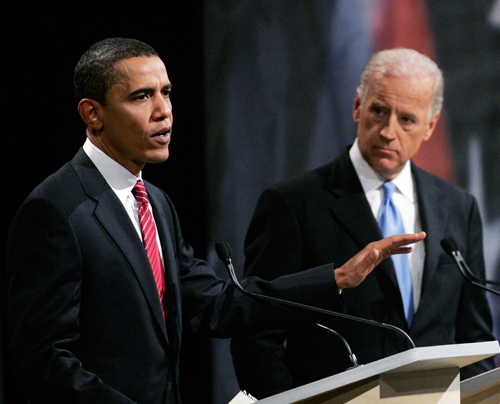
The current democratic administration, insofar as the elections next year are capturing public attention at this point, has billed itself as one of thriving on change and the aspirations of the American public as a new kind of Americanism. Unfortunately, the president and his administration have as well incorporated into their presidency a deeply unpopular set of economic circumstances, and a set of unpopular and even more costly wars far away from home. These challenges in view of next year's contests do not reflect any of the policies around change of any of the previous most successful presidencies in recent memory, those of Reagan and Clinton. Mr. Obama as President of what is currently the unrivaled world power in the U.S., in his assuming the presidency, sought to change many executive policies, including carrying out what was said to be a re - distribution of any creation of economic or other values in commercial activities, and a re - casting of our political and military reach to a more defensive posture abroad. It is difficult to see how the President will be able to prevail in an election year when these two major themes of his time in office so far have met with limited success and are regarded by many as having been too "forward - looking" perhaps, too ambitious, and poor in their effort and execution. Such priorities in view of many voters have to be re - evaluated as to whether or not they actually fit into the portrait of what it is to be American and for what reason, including what the limits of these plans were and how they have darkened the political skies at home and, again, abroad. Instead of promoting a more affirmative and proud set of plans for his presidency, especially away from our shores, the President chose to rule in a kind of retreat from issues; something that does not fit with the American image or conduct in view of past defiance and taking challenges to the world, especially in times of economic stress and military conflict. Ronald Reagan rallied the country during his administration in pointing to the fractious and economically chaotic times of the 1970's and restored the place of our state to primacy on the basis of fewer taxes and a dissemination of American values everywhere.
In many areas of endeavour, technical people have the overall reputation of being dour and contrarian, cynical and skeptical of everything, and the current President in the carrying - out of his election plans as pledged can be assessed as inherently and obviously so, especially about the present and future of our country, the U.S. This is perhaps because, at least in practice, the President has seized upon a relativistic and compromising set of ideas and rationales to promote his policies as having been and being successful as they are actually not so - something that takes away from the type of defiance and pride in view of the world's challenges that we as a nation - state need at this point. That the values of freedom and liberty are being put down in a number of states where they have recently arisen indicates the current presidency might not consider some of the people involved to be capable or responsible enough to have political freedoms and that they would otherwise regress again into tyrannies within their borders once the challenges of upheaval are over, even in the event the forces of freedom prevail there. For a president who is assisted by Mr. Biden and a number of others in Congress who are experienced in events and attitudes of foreign rulers abroad, this administration has not carried the day in its opportunities in the conflicts for freedom in the international world, and it does seem that officials under our chief executive either have the switch 'on' or 'off' in their perceptions about military issues overseas and in principle have the attitude that American is guilty of things in somewhat taking on the view of the central Islamic world. It seems the President's officials even want to scapegoat America in view of those who believe the 'Arab Spring,' for example, is an exercise in Zionism in their ideas not to assist in the rebellions against despotism in the Middle East, and in view of sporadic military resistance of the tyrannies to protests and rebellions that is apparently seen as dangerous to us.
The values of liberty, the uniqueness of the freedoms of our system, individualism and American specialness that have characterised and prevailed in previous times of challenge and conflict, especially during the 1980's, are lost on the current leadership that has a considerably shrunken world view of our country with an emphasis apparently on the creation of byzantine federal programs. Domestic and international realities, in the kind of inward, and stagnant vision the leadership has and that of American culpability, as sold through media image - making, the literature and through other channels, do not reflect the hopeful message and new starting points politically the president promised during the last election contest. It is entirely possible those marxists versed in the strengths of Chinese communism and Mao Tse toung thought, during the 1960's and 1970's, for instance, projected the same self - appointed image for American politics today in seeing a future of essentially caretaking and ineffectual western political regimes in view of the future upheavals in the world at this time, be they economic, ideological or military. It is apparently clear to the citizens of embattled cities, townships and regions, especially within the territories of the Middle East that the hopeful strategy of America has been flawed by an increasingly negative set of views and judgments about payoffs and benefits, revenues and costs, and other utilitarian measures with respect to what was set down by our forefathers in former times. That the preeminent world power in the U.S. has a leadership with these set of beliefs around calculation of political events and the risks of failure as it apparently has is a collective and several administrative and egregious wrong and needs immediate attention and redressment. It is also clear the questions around America's "peak" have been asked at Harvard and by its people for a long time, maybe (as a kind of hedge) for a hundred years, and the danger we face today is that such elitist and detached thinking, however dangerous and against the fiber of our state, might be wishful. This needs be examined in the next elections, and in all events resolved by voters in 2012.
Subscribe to:
Posts (Atom)